
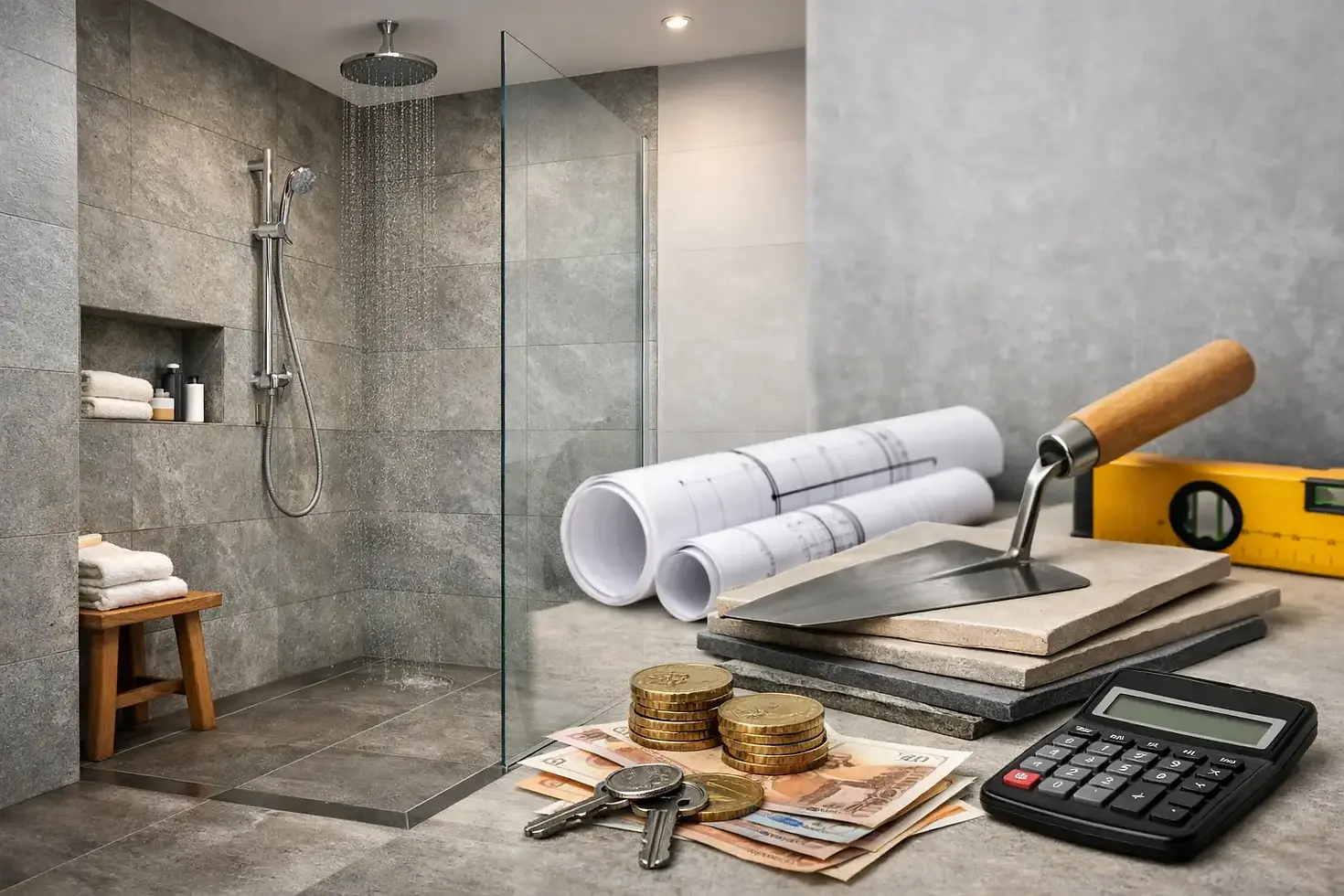
Wet Room Installation Cost in the UK
- Kayhan Mojganfar
- 5 days ago
- 6 min read

If you are planning a bathroom refit, the wet room installation cost is usually one of the first things you need to pin down. And the honest answer is that there is no single price that suits every home. A ground-floor concrete room, a first-floor timber floor, a compact en suite and a high-end family bathroom all come with very different labour, drainage and waterproofing demands.
That is why wet rooms can be excellent value in one property and a more involved investment in another. The finish matters, of course, but most of the real cost sits behind the tiles - in the preparation, the falls to waste, the tanking system and the quality of the installation.
What is a realistic wet room installation cost?
For most UK homes, a basic to mid-range wet room installation cost will often sit somewhere between £6,000 and £12,000. At the lower end, that may cover a smaller room with straightforward drainage access, standard fittings and sensible tile choices. At the higher end, you are usually looking at more structural preparation, premium finishes, underfloor heating, bespoke screens or more complex plumbing alterations.
For a larger or more design-led bathroom, costs can move beyond that. If the existing room needs major floor reworking, waste pipe relocation, full re-plumbing or higher-end brassware and tiles, the total can rise quickly.
That range may sound broad, but it reflects reality. Wet rooms are not a boxed product. They are built into the fabric of the room, so the existing condition of the bathroom has a direct impact on final cost.
Why wet room prices vary so much
The biggest difference between a standard bathroom and a wet room is that the whole room has to work as a waterproofed showering area, not just the tray or enclosure. That means more planning and more care during installation.
A lot depends on the floor construction. In some homes, forming the correct fall for drainage is relatively simple. In others, especially upstairs bathrooms with timber joists, extra work may be needed to create the right levels without causing issues at the doorway or affecting the room below.
Drainage position is another major factor. If the shower waste can tie neatly into the existing run, that helps. If pipework has to be moved significantly or access is awkward, labour increases. The same applies if the room needs wall preparation, old pipework replacing or the subfloor strengthening before any waterproofing starts.
Then there is specification. A wet room with large-format porcelain tiles, recessed niches, underfloor heating and premium fittings will naturally cost more than a simpler room using standard ceramic finishes and off-the-shelf brassware.
The main elements that shape wet room installation cost
Tanking and waterproofing
This is one area where cutting corners nearly always costs more later. A proper tanking system is essential because the room needs to stay watertight over time, not just look good when the grout is fresh. Materials themselves are only part of the cost. The real value is in correct preparation, detailing around joints and drains, and making sure the whole system is installed as intended.
Drainage and floor formation
A wet room must drain efficiently. That sounds obvious, but getting the falls right is one of the most important parts of the job. Depending on the property, this may involve a former tray system, floor reboarding, screeding, joist adjustment or alterations to existing waste runs. This is often where quotes differ, because not every installer allows for the same level of preparation.
Tiling and wall finishes
Tile choice can swing the budget significantly. Smaller mosaic tiles can help with floor falls but may increase labour because there is more cutting and grouting. Large-format tiles can create a cleaner look, though they may need careful setting out and premium adhesives. If you choose full-height tiling throughout, that will usually cost more than part-tiled walls or simpler waterproof wall panels.
Plumbing and sanitaryware
If you are keeping pipework in roughly the same place, costs stay more controlled. Once you start moving toilets, basins or shower valves, the job becomes more involved. Concealed valves, wall-hung furniture and built-in storage all add labour as well as product cost.
Extras and finishing details
Underfloor heating, LED mirrors, recessed shelving, custom glass screens and upgraded extractor fans can all improve the room, but they also affect the bottom line. None of these are necessarily unnecessary. They just need to be priced with the rest of the build rather than added as an afterthought.
Wet room vs standard bathroom - is the extra cost worth it?
In many homes, yes, but it depends on what you need from the space. A wet room can make a smaller bathroom feel more open, and it can be a practical option for level-access showering or future-proofing. For landlords and short-term rental owners, it can also simplify cleaning and remove bulky shower enclosures that tend to date quickly.
That said, a wet room is not always the cheapest route to a smart, durable bathroom. If the property layout makes drainage difficult or if the room is already tight on levels, a high-quality low-profile tray with good enclosure detailing may offer better value.
The right question is not whether a wet room is always better. It is whether the room, budget and intended use make it the right fit.
Where homeowners often underestimate the cost
One common issue is assuming the price is mainly about tiles and fittings. In practice, much of the wet room installation cost is in the unseen work. Taking out the old suite, repairing floors, adjusting pipework, installing waterproofing and making sure the room drains properly all come before the final finish.
Another is allowing too little for remedial work. Once an old bathroom comes out, hidden problems can show up - rotten flooring, uneven walls, poor historic pipe runs or inadequate ventilation. A good installer will explain these risks early, but it is sensible to keep a contingency in the budget.
There is also the question of quality. Cheap quotes can look appealing, especially if the room appears simple on paper. But wet rooms are one of those jobs where poor workmanship tends to show up later through leaks, standing water or failed finishes. Rectifying that is usually far more disruptive than getting it done properly the first time.
Getting a quote that is actually useful
When comparing prices, make sure each quote covers the same scope. Ask whether strip-out, waste disposal, floor preparation, tanking, tiling, second-fix plumbing, electrics and decorating are included. If one quote is much lower than another, it is often because something important has been left out rather than because the installer has found a clever saving.
It also helps to be clear about your specification from the start. If you already know the tile size, the shower arrangement, the type of drain and whether you want extras such as underfloor heating, the quote will be far more accurate.
For homeowners who want less hassle, using one team that understands both the plumbing side and the bathroom installation side can make a real difference. It reduces the risk of separate trades blaming each other if something needs adjusting. That joined-up approach is part of why many customers prefer working with an experienced installation company such as Heat Assist for bathroom projects.
How to keep wet room costs under control without compromising quality
The smartest savings usually come from simplification, not from stripping out essential elements. Keeping the toilet and basin close to existing pipework, choosing well-priced but durable tiles, and avoiding unnecessary layout changes can all help. So can being realistic about finishes. You do not need the most expensive brassware on the market to achieve a strong result.
What you should not trim back is waterproofing, drainage quality or installation standards. Those are the foundations of the room. If they are done properly, the wet room should feel easy to live with and straightforward to maintain.
A well-planned wet room is rarely the cheapest bathroom option on day one, but it can be one of the most practical and satisfying when it suits the property. If you are pricing one up, focus less on headline figures and more on what the quote actually includes. That is usually where the real value sits - and where a smooth project starts.


Comments