
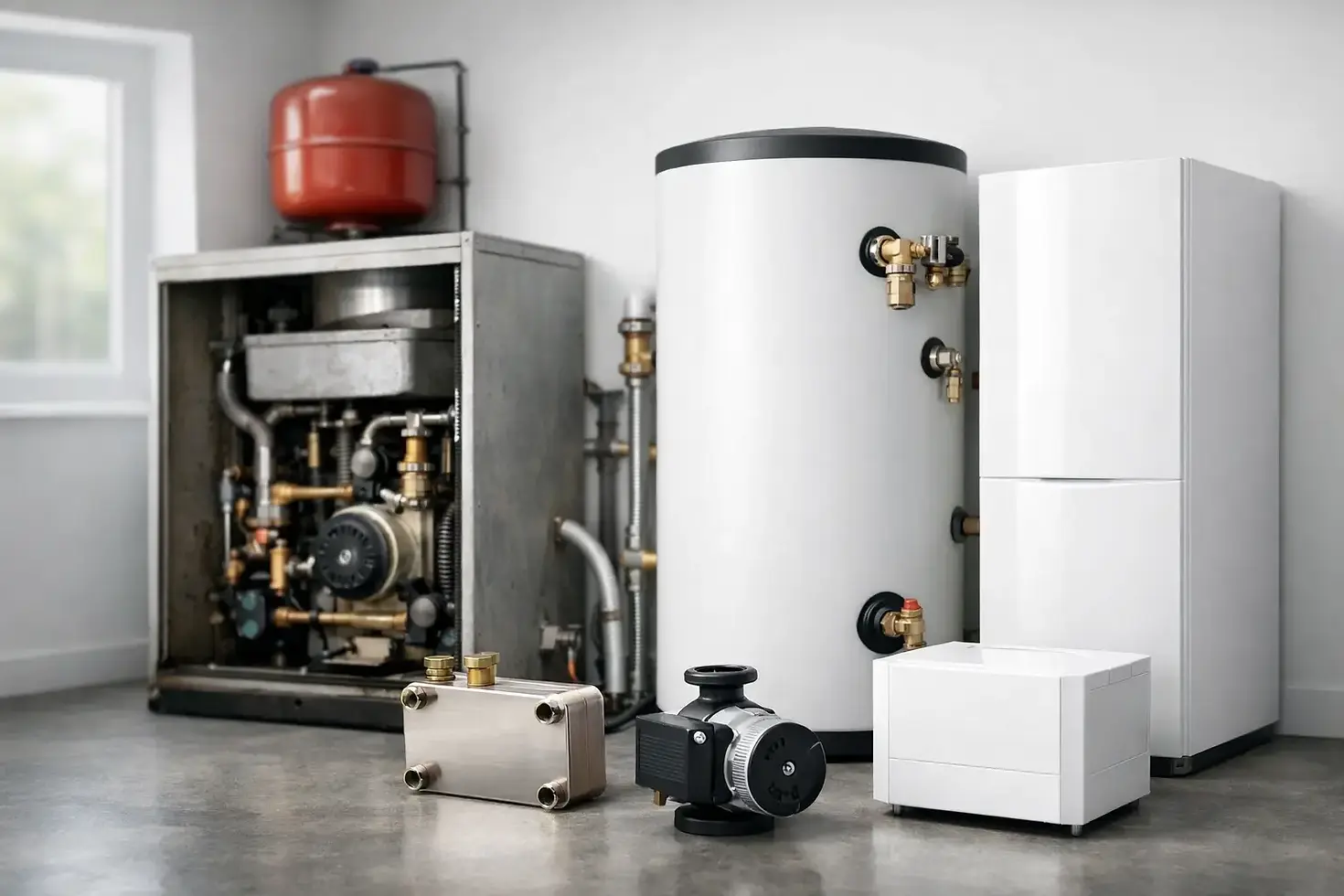
Open Vented System Upgrade Options
- Kayhan Mojganfar
- Apr 24
- 6 min read

If your heating system still relies on a small feed and expansion tank in the loft, an open vented system upgrade is usually being driven by a familiar problem: unreliable pressure, ageing parts, poor hot water performance, or a boiler that has simply reached the end of the road. For many homeowners, the bigger question is not whether to upgrade, but what to upgrade to without creating more disruption than necessary.
That decision depends on the property, the current pipework, the number of bathrooms, and how far you want to future-proof the home. There is no single right answer for every house. A sensible upgrade should improve performance and reliability while matching the way the property is actually used.
What an open vented system upgrade usually means
An open vented heating system uses a feed and expansion cistern, normally in the loft, to accommodate water expansion as the system heats up. These systems were common for many years and can still work perfectly well when maintained, but they do have limitations. Loft tanks can introduce air into the system, create a risk of freezing in cold weather, and add another point of failure through ball valves, overflows, or contamination.
When people ask for an open vented system upgrade, they are usually considering one of three routes. The first is improving the existing setup while keeping the general system type. The second is converting the heating side to a sealed system. The third is replacing the whole arrangement with a modern condensing combi boiler or another pressurised solution.
The right option comes down to what is causing the problem. If the boiler is sound and the pipework is in good condition, a partial upgrade may be enough. If the system is old, noisy, sludged up, or struggling to meet hot water demand, a more complete change often makes better long-term sense.
When keeping the basic system can still be worthwhile
Not every open vented system needs to be ripped out. In some homes, especially where the hot water cylinder is performing well and the heating layout suits the property, it can be more practical to upgrade components rather than start from scratch.
That might mean replacing the circulation pump, controls, motorised valves, or cylinder, along with cleaning the system and improving protection with proper inhibitors and filtration. If the loft tank is in poor condition, that can also be addressed. For homeowners who want lower upfront costs and less disruption, this approach can be attractive.
The trade-off is that you still keep some of the limitations of the original design. You are not changing the system into something fundamentally more modern. If your aim is just to restore reliability, that may be enough. If your aim is stronger shower performance, more available space, or a complete reduction in ageing system risks, you may feel the money is better spent on a larger upgrade.
Converting to a sealed system
One of the most common forms of open vented system upgrade is converting the heating side to a sealed system. This removes the feed and expansion tank from the loft and replaces it with pressurised components such as an expansion vessel and pressure relief arrangements.
For many households, this is a good middle ground. You keep parts of the existing system where appropriate, but remove some of the common issues associated with open vented operation. A sealed system can reduce air ingress, improve control over pressure, and simplify the setup in the loft.
That said, it only works well if the existing system is suitable. Older radiators, weak joints, or pipework with a history of leaks can become more problematic under pressure. A proper assessment matters here. A conversion should never be treated as a quick change with no regard for the condition of the rest of the system.
If the boiler is also nearing replacement age, it is often worth looking at the full picture rather than upgrading in stages. Sometimes staged work is sensible. Sometimes it just means paying twice for related labour.
Upgrading to a combi boiler
For many homes, the biggest step in an open vented system upgrade is moving from a heat-only boiler and cylinder arrangement to a modern condensing combi boiler. This removes the need for both the loft tank and the hot water cylinder, freeing up space and simplifying the system.
This option tends to suit properties with one bathroom, modest to moderate hot water demand, and a mains water supply that can support a combi properly. It can be an excellent choice for households that want a cleaner layout, better efficiency, and fewer stored-water components to maintain.
But it is not automatically the best route for every property. If you have two bathrooms in regular use, or several people needing hot water at the same time, a combi may not deliver the same convenience as a well-designed unvented or stored hot water system. Mains pressure and flow rate are also critical. A combi is only as good as the incoming supply.
This is where clear advice matters. A good installer should talk you through the practical reality rather than selling the latest boiler type as a one-size-fits-all answer.
The hot water side matters as much as the boiler
A lot of homeowners focus on the boiler and overlook the rest of the system. In reality, the success of an open vented system upgrade often depends just as much on controls, cylinder type, pipe sizing, zoning, and overall system cleanliness.
For example, if your current setup includes an ageing indirect cylinder, replacing it with a more efficient modern unit can improve recovery times and hot water storage even if you do not move to a combi. If your heating controls are basic or unreliable, upgrading to a proper S plan or Y plan arrangement can make the system more responsive and economical to run.
These details may not sound exciting, but they make a real difference to day-to-day comfort. Better control over heating and hot water means less wasted energy and fewer complaints about rooms never warming properly or water taking too long to heat.
What to expect during an open vented system upgrade
The amount of disruption depends on how extensive the work is. A component upgrade can often be handled with limited disturbance. A full conversion to a combi boiler or sealed system usually involves more work, especially if the boiler is being relocated, the cylinder is being removed, or old controls need replacing.
In older properties, it is also common to uncover issues once the system is drained and inspected. Sludge, poor historical repairs, and outdated pipework are all things that can affect the final scope. That is not a reason to avoid the job. It is a reason to have it assessed properly from the start.
A professional installer should explain what is staying, what is going, what new components are needed, and whether any decorating or making-good work may follow. For homeowners, that clarity is often just as valuable as the engineering itself.
Cost, efficiency and long-term value
Cost always matters, but the cheapest route is not always the most economical over time. Spending less to preserve a system that is already on borrowed time can leave you facing more call-outs, more repairs, and another upgrade conversation sooner than you hoped.
At the same time, a full replacement is not always necessary. If the core system is sound and only key parts are failing, a targeted upgrade can be very good value. The main thing is to weigh the immediate budget against likely future costs, running efficiency, and the practical benefits you will actually notice.
Modern condensing appliances and improved controls can reduce wasted energy, but savings vary depending on the age and condition of the system being replaced. If your current setup is very old, poorly controlled, or suffering frequent faults, the improvement can be significant. If it is relatively tidy and well maintained, the gain may be steadier rather than dramatic.
Choosing the right installer
This type of work is not just about fitting new parts. It is about understanding how the whole heating and hot water system works together. A proper survey should include the boiler, cylinder if present, existing controls, radiators, pump arrangement, water pressure, and the overall condition of the pipework.
For homeowners around Manchester and surrounding areas, this is the kind of job where practical experience matters. Heat Assist approaches these upgrades with that wider view in mind, so customers are not pushed into a bigger change than they need, but are also not left patching an outdated system that should really be replaced.
If you are weighing up an open vented system upgrade, the best starting point is a straightforward assessment of what your home needs now and what it is likely to need in the next few years. The right upgrade should leave you with a system that feels simpler, more dependable, and easier to live with every day.


Comments