
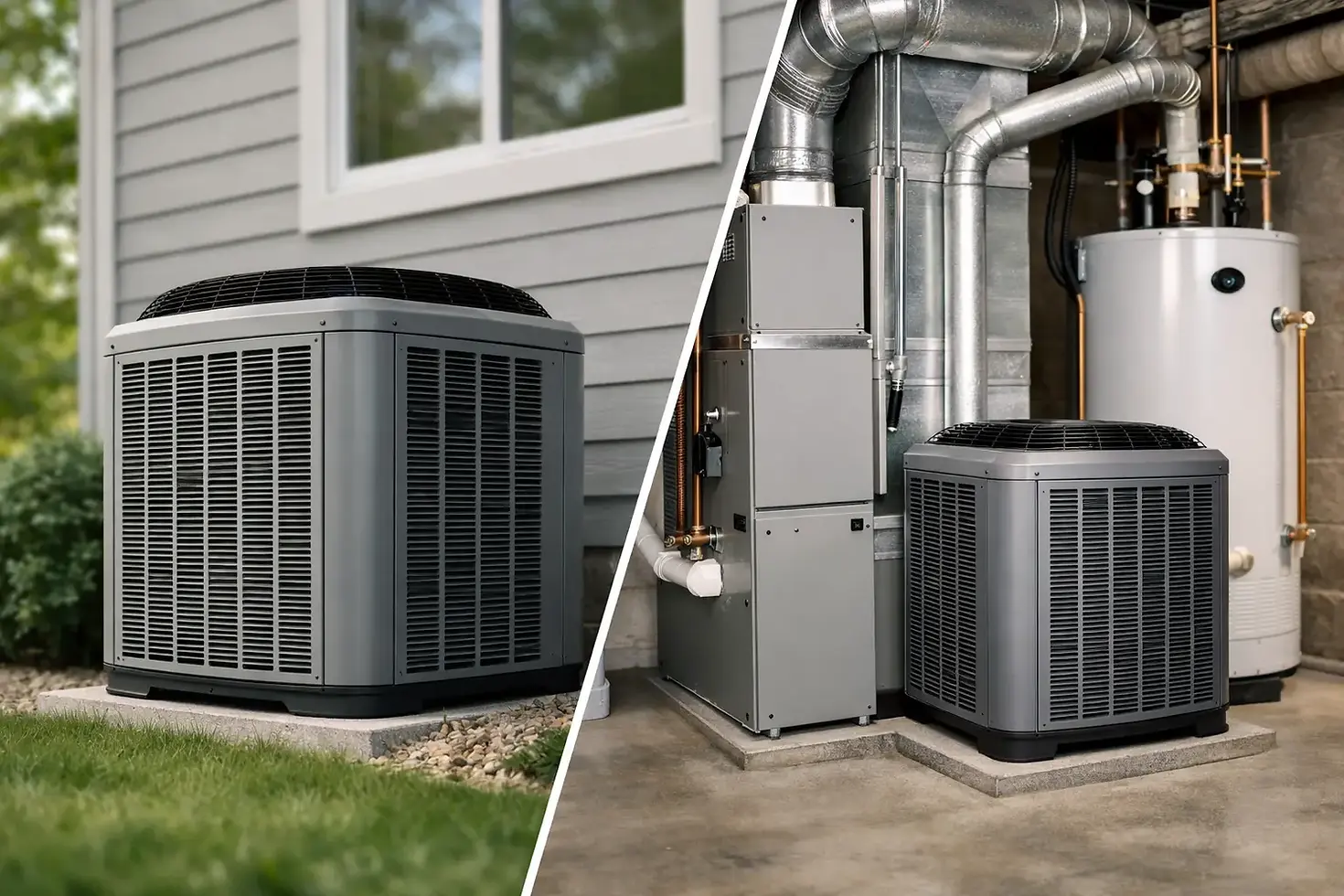
Heat Pump or Hybrid System: Which Fits?
- Kayhan Mojganfar
- Jun 2
- 6 min read

If your boiler is ageing, your energy bills are creeping up, or you are planning a wider heating upgrade, the question often becomes simple very quickly - should you choose a heat pump or hybrid system? It sounds like a straight choice, but in practice it depends on your home, your existing pipework and radiators, your hot water demand, and how much change you want to take on in one go.
For some households, a full heat pump setup is the right long-term move. For others, a hybrid system offers a more practical route, especially where the property is not quite ready for a full low-temperature heating design. The best answer is not the trendiest one. It is the one that will heat your home properly, run efficiently, and avoid expensive compromises later.
Heat pump or hybrid system - what is the difference?
A heat pump extracts heat from the outside air and uses it to warm your home and hot water. In most domestic UK installations, that means an air source heat pump. It runs most efficiently at lower flow temperatures than a petrol boiler, so the whole heating system needs to suit that style of operation.
A hybrid system combines a heat pump with a boiler. The heat pump does the more efficient day-to-day heating where possible, while the boiler supports the system when demand is higher or outside temperatures are lower. The controls decide which heat source should run based on efficiency, temperature and demand.
That difference matters because a heat pump-only installation asks more of the home. A hybrid setup can work around some of the limits of an older property, particularly where radiator sizing, insulation levels or hot water demand make a full switch harder to justify straight away.
When a heat pump makes good sense
A heat pump is often the stronger option when the house is already a good match for low-temperature heating. That usually means decent insulation, sensible heat loss figures, and emitters that can provide enough warmth without needing very high water temperatures.
Newer homes often fit this profile better, but older homes can too if they have had the right upgrades. Loft insulation, cavity wall insulation where suitable, draught reduction, and correctly sized radiators all help. Underfloor heating is particularly well suited because it works efficiently at lower temperatures.
If you are carrying out wider renovation works, that is often the ideal time to consider a heat pump. When floors are up, pipework is being altered, or rooms are being redesigned, it is easier to make the heating system work as a complete package rather than trying to force a modern heat source into an outdated layout.
A properly designed heat pump system can give steady, comfortable heat rather than the sharper on-off pattern many homeowners are used to with older boilers. That suits people who want a consistent indoor temperature and are happy with a system designed to run in a more controlled, gradual way.
When a hybrid system is the better fit
A hybrid system usually suits homes that are somewhere in the middle. Perhaps the property has some insulation upgrades but not enough to make a full heat pump system straightforward. Perhaps there are radiators that would need major replacement, or the household has periods of high hot water demand that a boiler can support more easily.
This approach can be especially helpful in larger or older homes where a full conversion would mean significant changes to emitters and controls. It can also work well for homeowners who want to reduce petrol use but are not ready to commit to a full all-electric heating strategy.
A good hybrid system is not a shortcut or a half measure when it is designed properly. It is a practical engineering solution. The heat pump covers much of the regular heating load, and the boiler steps in when it makes more sense to do so. That can reduce installation disruption compared with a full heat pump conversion while still improving efficiency over a boiler-only setup.
The radiator question matters more than most people think
One of the biggest misunderstandings in this decision is assuming the heat source is the only thing that matters. In reality, your radiators and overall emitter capacity are central to whether a heat pump or hybrid system will perform well.
Traditional boilers often run at higher temperatures, which means smaller radiators can still throw out enough heat. Heat pumps prefer lower temperatures, so the same radiators may not give enough output. That does not mean every radiator needs replacing, but some often do.
This is where proper heat loss calculations and room-by-room design matter. Guesswork is where disappointment starts. If a system is undersized, the home may struggle to warm up properly in cold weather. If it is oversized without thought, you can end up spending more than necessary.
For homeowners already considering radiator upgrades, underfloor heating, or changes to room layouts, this is where careful planning pays off. Joining the heating design to the wider works usually gives a better result than treating each trade separately.
Running costs and efficiency
People naturally ask which is cheaper to run, but there is no honest one-line answer. A heat pump can be very efficient, but efficiency on paper is not the same as efficiency in your actual home. Installation quality, controls, flow temperatures and insulation standards all affect the result.
A well-designed heat pump system may offer lower running costs than an older boiler setup, particularly where the house is suitable and the system is allowed to operate as intended. A hybrid system may not reduce petrol use as much, but it can still improve efficiency while avoiding some of the upgrade costs needed for a full heat pump conversion.
The right comparison is not just fuel type versus fuel type. It is total system performance. If a hybrid setup works effectively with your current property and avoids major remedial work, it may be the better value option in the medium term. If your home is already well prepared, a standalone heat pump may be the stronger long-term investment.
Installation disruption and practical realities
For many homeowners, the real issue is not theory. It is how disruptive the job will be.
A full heat pump installation can involve outdoor unit placement, cylinder considerations, controls upgrades, possible radiator changes, and sometimes electrical work. None of that is a problem if it is planned properly, but it does mean the project needs to be treated as a whole-house heating design rather than a simple boiler swap.
A hybrid system can sometimes reduce the amount of immediate change. It may keep more of the familiar setup in place while improving efficiency and future-proofing the property. That can be attractive for occupied homes, landlords needing quicker turnaround, or households trying to phase improvements over time.
This is often where practical advice matters more than sales talk. A system should fit the building and the people living in it, not the other way round.
Heat pump or hybrid system for older UK homes
Many UK homes were not built with low-temperature heating in mind, which is why this choice needs careful assessment. Victorian terraces, 1930s semis and post-war homes can all be suitable for some form of upgrade, but not always in the same way.
Older homes with patchy insulation, mixed radiator sizes and high heat loss may struggle with a poorly planned heat pump-only design. In those cases, a hybrid system can provide a more balanced answer while further upgrades are considered. On the other hand, older does not automatically mean unsuitable. Plenty of period homes can work well with heat pumps once the system has been designed properly.
That is why blanket advice is rarely useful. A survey should look at the whole heating setup, not just the appliance being replaced.
How to make the right decision
The best starting point is to think beyond the boiler cupboard. Ask how well your home holds heat, whether your radiators are adequate, what your hot water needs are, and whether other renovation works are planned.
If you want the lowest-carbon direction and your home can support it, a heat pump may be the right path. If you want a more flexible transition that works around the realities of an existing property, a hybrid system may be the smarter choice.
At Heat Assist, this is exactly the sort of decision that benefits from experienced, straightforward advice. A good installer should explain what your property can realistically support, what upgrades may be needed, and where the trade-offs sit in terms of comfort, cost and disruption.
The right heating system should make life easier, not leave you managing compromises every winter. If you start with how your home actually performs, the right answer usually becomes much clearer.


Comments