
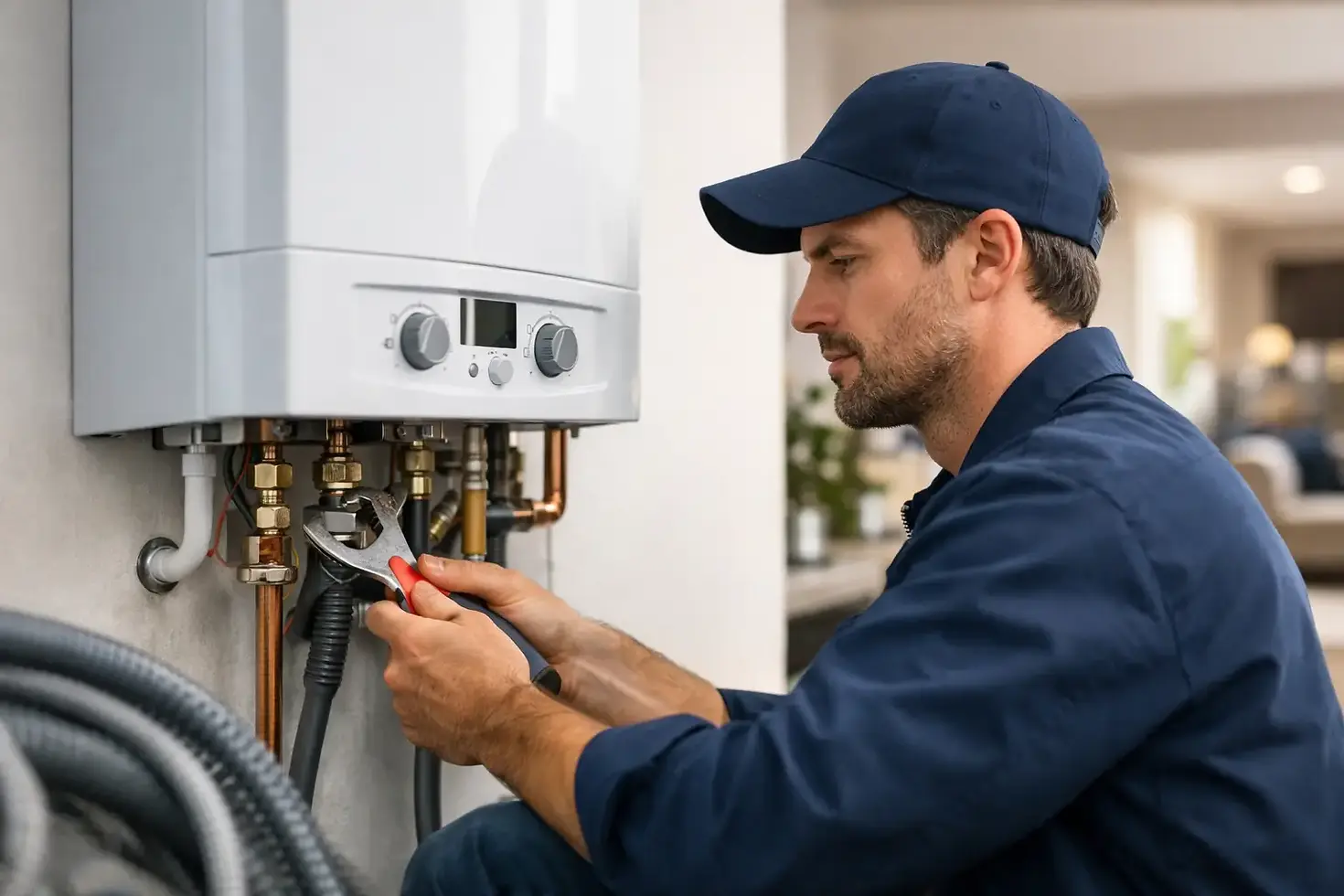
Boiler Installation Wythenshawe: What to Expect
- Kayhan Mojganfar
- Apr 28
- 6 min read

A boiler rarely picks a convenient moment to fail. It usually happens on a cold morning, during a busy week, or just as you realise the hot water has gone. If you are looking into boiler installation Wythenshawe homeowners can rely on, the main thing you want is simple - a safe, efficient system fitted properly, without your house being turned upside down.
That sounds straightforward, but boiler installation is not really one-size-fits-all. The right setup depends on your current system, the size of your home, your hot water demand, your pipework, and whether this is a like-for-like swap or a bigger upgrade. A good installer should make that clear from the start, not confuse the job with jargon or push a boiler that does not suit the property.
Boiler installation in Wythenshawe starts with the right survey
The first stage should always be a proper assessment of your existing heating system. That means more than checking where the old boiler sits. An engineer needs to look at your radiators, water pressure, flue route, controls, condensate drain, petrol supply, and general condition of the system.
If you live in Wythenshawe or nearby areas such as Northenden, Baguley or Sale, you will find a wide mix of housing stock. Some homes are suited to a straightforward combi swap, while others still have older heat-only boilers, cylinders, tanks in the loft, or even back boiler arrangements that need a more careful upgrade plan. What works well in one property may be the wrong choice in the next one along.
A proper survey is also where practical details get dealt with early. Can the new flue be positioned correctly? Is there enough access for the work? Will pipework need upgrading? Can the new boiler stay where it is, or would a relocation make better use of the space? These are the questions that prevent surprises on installation day.
Choosing the right type of boiler
For many households, a combi boiler is the obvious choice. It provides heating and hot water on demand, removes the need for a separate hot water cylinder, and suits homes where saving space matters. For smaller to medium-sized properties with one bathroom, it is often an efficient and tidy option.
That said, combis are not automatically best for every home. If you have a larger property, multiple bathrooms, or high simultaneous hot water demand, a system or heat-only setup may still be the better fit. There is no benefit in fitting a combi that struggles when two showers run at once. A reliable installer should talk through how you actually use the home, not just quote for the quickest boiler to replace.
Older systems can also affect the decision. If your property still runs with ageing pipework or a traditional open-vented arrangement, the installation may involve more than replacing the appliance itself. Some homeowners choose a direct swap to keep costs down. Others take the chance to modernise the whole setup for better efficiency and less future maintenance. Both approaches can be valid - it depends on your budget, the age of the system, and how long you plan to stay in the property.
What happens during a boiler installation in Wythenshawe
Most homeowners want to know the same thing: how disruptive is this going to be? The answer depends on the job.
A straightforward boiler swap in the same location is usually the least disruptive option. If the existing pipework, controls and flue route are suitable, the work can often be completed within a day. There will still be periods without heating and hot water, and there may be some noise while the old unit is removed and the new one is fitted, but a well-managed job should feel organised rather than chaotic.
A boiler relocation or full system conversion is a bigger piece of work. Moving a boiler from a kitchen to a loft, garage or utility room can free up valuable space, but it usually means more labour, more pipework changes and a longer installation time. Likewise, converting from a regular boiler with tanks and cylinders to a modern condensing combi involves removing old components, altering pipework and ensuring the system is cleaned and balanced properly.
On a good installation, the engineer should not just fit the boiler and leave. The system should be flushed or cleaned as needed, inhibitor should be added, controls should be set up correctly, and the boiler should be commissioned in line with the manufacturer's requirements. You should also be shown how to use the controls in plain English. That matters more than many people expect. A high-quality boiler can still waste fuel if it is never set up properly.
Costs, value and what affects the quote
One of the biggest concerns around boiler installation is cost. It is sensible to ask for a clear breakdown, because prices vary for good reasons.
The make and model of the boiler is one factor, but not the only one. The complexity of the install often has a bigger effect. A simple combi swap is generally less expensive than a conversion from an old heat-only system. If the petrol supply pipe needs upgrading, the flue position has to change, or the condensate pipe requires a new route, that all adds to the scope. New smart controls, magnetic filters and radiator valves may also be recommended depending on the condition of the system.
Cheapest is not always best value. A lower quote can sometimes leave out important work such as system cleansing, controls upgrades or making good after alterations. On the other hand, the most expensive option is not automatically the best either. What matters is whether the quote is thorough, the work is clearly explained, and the installation is being designed around your property rather than squeezed into a standard package.
Efficiency matters, but so does the system around the boiler
Homeowners often focus on the boiler itself, but the wider heating system plays a major part in performance. If radiators are poorly balanced, controls are outdated, or sludge has built up in the pipework, a brand-new boiler will not deliver its best.
This is why boiler installation can be a good time to deal with related issues. Replacing a circulation pump, fitting an expansion vessel, upgrading controls or improving zoning can all make a noticeable difference to comfort and running costs. In some homes, especially those with older S plan or Y plan arrangements, it makes sense to look at the system as a whole rather than treating the boiler as a standalone fix.
The same goes for renovation work. If you are already updating a kitchen, bathroom or utility space, it may be the right moment to relocate pipework or rethink the heating layout. For some households, combining jobs reduces disruption and gives a cleaner final finish.
How to choose a boiler installer
Trust matters with heating work because you are paying for safety, reliability and workmanship, not just a box on the wall. A good installer should be clear about what is included, realistic about timescales, and happy to explain the reasoning behind their recommendation.
Look for someone who treats the property with respect as well as someone who knows the technical side. Clean working, good communication and turning up when promised are not extras. They are part of a professional service. That matters even more if the household includes children, older family members, tenants or guests and the loss of heating and hot water needs to be kept to a minimum.
It also helps to choose an installer with experience beyond basic boiler swaps. Homes are rarely textbook. An engineer who understands conversions, relocations, pumps, cylinders and wider plumbing work is usually better placed to spot issues early and deal with them properly. That practical depth can save time and avoid patchwork fixes later on.
When replacement makes more sense than repair
There are times when repairing an old boiler is still worth doing, especially if the fault is minor and the unit is not that old. But once a boiler becomes unreliable, inefficient, or difficult to source parts for, replacement often becomes the more sensible long-term option.
Common signs include repeated breakdowns, rising energy bills, uneven heating, poor hot water performance and frequent pressure issues. If you are paying for callouts every winter, the money can quickly start to look better spent on a new installation. That is particularly true for landlords and short-term let owners who need dependable heating and as little downtime as possible.
A modern condensing boiler, correctly sized and properly installed, should give you better control, more reliable performance and improved efficiency. The key phrase there is properly installed. Even a high-end boiler can disappoint if the design and commissioning are rushed.
If you are planning boiler installation in Wythenshawe, the best result usually comes from keeping the process practical. Ask questions. Make sure the recommendation suits the property. Choose an engineer who values tidy work and clear communication as much as the fitting itself. When that is done right, the new boiler stops being a worry and simply becomes one less thing to think about.


Comments